






Article list
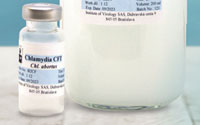
#BMC-003 SUMMARY These antigens are suitable for the serological detection and screening of infections caused by various Chlamydia species. BACKGROUND Chlamydia species are obligate intracellular bacteria that can infect humans and animals, often causing respiratory or reproductive diseases. Surveillance of different chlamydial infections is crucial for assessing disease burden, implementing public health interventions, and preventing…
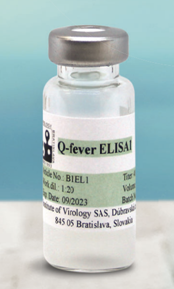
#BMC-002 SUMMARY Phase I and Phase II antigens of C. burnetii are essential for confirming Q fever infection and monitoring therapeutic outcomes in both humans and animals. BACKGROUND Q fever is an acute or chronic disease caused by the obligate intracellular Gram-negative bacterium Coxiella burnetii. This pathogen is primarily transmitted to humans through inhalation of…
#CEITEC MU-004 SUMMARY RNAutriX begin with screening services, generating a proprietary dataset of RNA–small molecule interactions. Develops tools for drug design, scaffold generation, and off-target prediction. In the long term, RNAutrix will develop its own RNA-targeted therapeutics and custom HTS instrumentation, contributing unique RNA–ligand insights to accelerate the future of RNA-targeted drug discovery and development….
#CEITEC MU-003 SUMMARY Method to increase plant resistance to abiotic stress, particularly drought and soil salinity, by upregulating DIR13 gene expression. BACKGROUND Abiotic stresses like drought and salinity significantly impact crop yields. Climate change exacerbates these challenges, necessitating innovative solutions. This invention focuses on enhancing plant resilience through genetic means. FEATURES AND KEY BENEFITS REFERENCES…
#CEITEC MU-002 SUMMARY A method for designing unique peptides that can selectively target and Disrupt cellular membranes of pathogens without damaging human cells. BACKGROUND Increasing incidence of antibiotic resistance in bacteria, along with a steady decline in the Discovery of new antibiotics, presents a global health challenge. There is a need for the discovery of…
#CEITEC MU-001 SUMMARY The researchers from Masaryk University developed a DNA-aptamer-based inhibitor that, in contrast to FGFR TKIs, inhibits FGFR1 but not the other existing FGFR variants (FGFR2, FGFR3, and FGFR4). In contrast to the current generation of TKIs, which targets the intracellular (kinase) domain of FGFR, the aptamer targets its extracellular domain; it significantly…
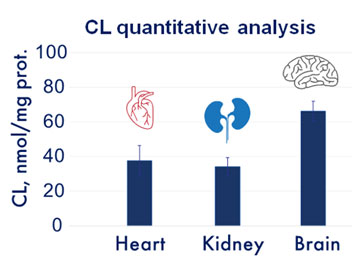
#LIOS-004 SUMMARY MitoCLue is a novel fluorescent probe that enables 3 complementary cardiolipin (CL) assays – binding affinity measurement, CL quantitative analysis, and CL imaging. Designed for both mitochondrial research and drug safety profiling, MitoCLue supports drug discovery with high-throughput, reproducible and biologically relevant results. BACKGROUND Cardiolipin (CL) is a key phospholipid responsible for mitochondrial…
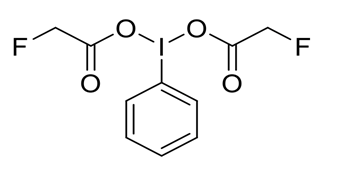
#LIOS-003 SUMMARY This iodine(III) reagent is of interest to the medicinal chemistry and synthetic organic chemistry communities. It is an efficient and versatile tool for generating new fluorine-containing compounds for drug development. Specifically, photoredox-catalyzed radical fluoromethylation applications of alkenes[1] and heterocycles[2]. BACKGROUND Organofluorine compounds are of enormous importance in medicinal chemistry, as the fluorine atom…
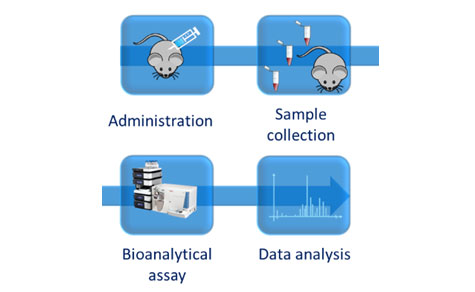
#LIOS-002 SUMMARY Preclinical pharmacokinetic and safety studies in rodents assess ADME, bioavailability, and clearance to guide dosing. Using routes like oral, IV, or minipumps, and advanced analytics, the service identifies toxic effects, target organs, and supports safe, effective drug development. BACKGROUND Pharmacokinetics (PK) help determine a compound’s bioavailability and clearance, guiding dosing strategies by tracking…
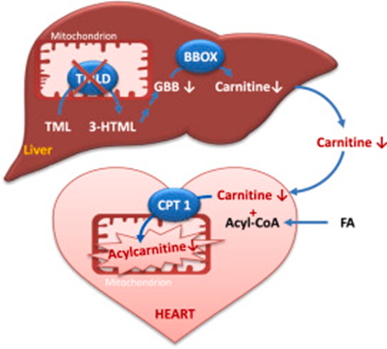
#LIOS-001 SUMMARY The TMLHE KO mouse (C57BL/6N) is a valuable model for studying lipid metabolism, mitochondrial dysfunction, and oxidative stress. With low acylcarnitines and reduced FAO, it enables cardiometabolic research, drug testing, metabolic reprogramming, and therapeutic screening. BACKGROUND This conventional (constitutive) TMLHE KO model (C57BL/6N background) is useful for research and drug development for diseases…